How to Choose a Barcelona City Tour That Fits Your Day
Choosing a barcelona city tour is less about finding the most famous name and more about matching the format to your time, interests and pace. Barcelona rewards slow looking. A Gothic lane, a modernist facade or a market stall can hold as much interest as a major landmark. The right tour gives those places room to breathe without leaving you tired or rushed.
Start with the practical question of how much time you want to spend. City touring in Barcelona can mean a short orientation, a half day focused on a few districts, or a longer route that joins several neighbourhoods. None of these is automatically better. A compact route suits a first afternoon, a cruise stop or a day with other plans. A longer route works when you want context, links between places and enough pauses to take photographs or sit down.
Set your purpose before comparing routes
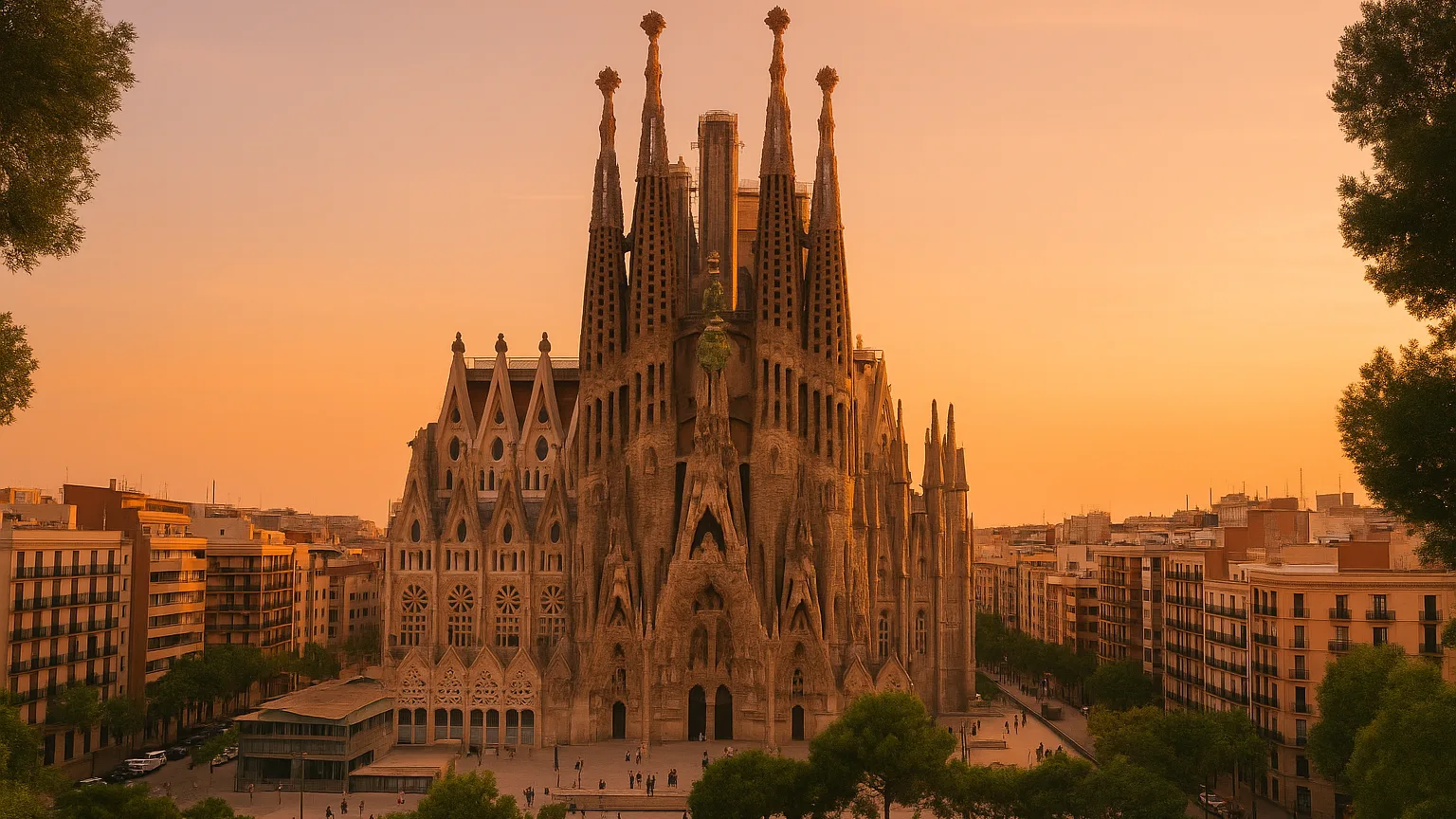
Decide what you want to get from the day. Some visitors want a clear map of the city and a confident sense of where the main areas sit. Others want architecture, food, history, art or a feel for local life. A route built around Gaudi will look very different from one centred on the Gothic Quarter, the waterfront or neighbourhood markets.
Watch for vague descriptions. If a tour says it covers everything, the day may be mostly transit between quick stops. A useful itinerary names the areas or themes in plain language and gives a reasonable amount of time at each place. It should be clear whether the focus is exterior viewing, interior visits, walking through streets, or a mix of transport and walking.
Think about the people joining too. A family with children, a couple who enjoy architecture, and a solo traveller who likes history may all need different pacing. If the day includes older travellers or anyone who finds long walks tiring, look for regular stops, shade and a route that does not depend on constant climbing.
Work out the pace you can enjoy
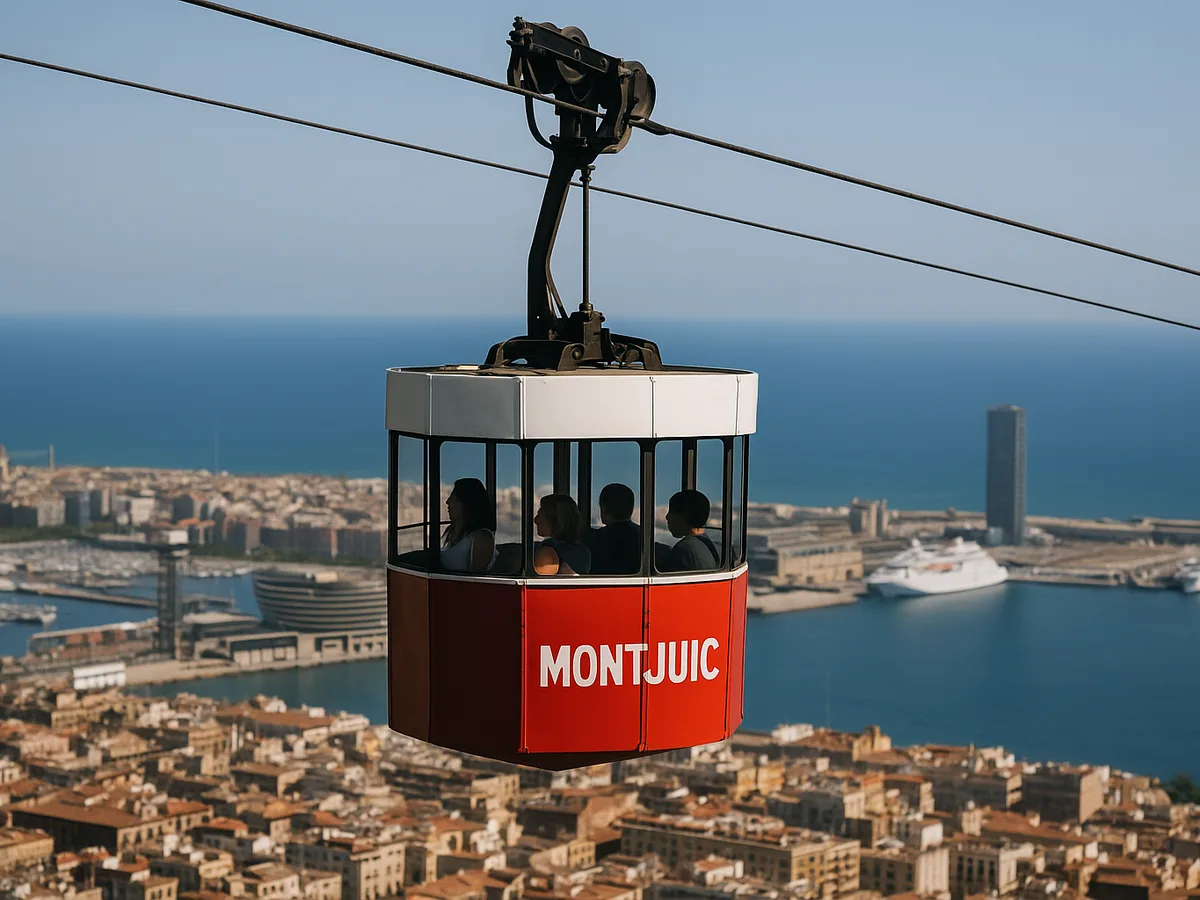
Barcelona is a city of slopes, cobbles, busy pavements and long sightlines. A route that looks short on a map can feel demanding in warm weather or at the end of a travel day. Check whether the tour involves steady walking, many stairs, or extended periods standing in crowded streets.
Pace is also about how much information is delivered. Some tours pack in dates and names from start to finish. That can be stimulating, but it can also blur after a while. A better fit usually balances commentary with quiet moments, so you can look around and absorb what is in front of you.
Ask what happens if plans change. Weather, street closures and busy public areas can affect the order of a route. A sensible plan has alternatives that keep the same theme rather than simply removing a stop. When reading options such as City Tour in Barcelona, look at the shape of the day, not just the list of famous places.
Compare the way each tour is delivered
A barcelona city tour may be guided, self directed, small group, private, or built around transport. Each format has a trade off. Guided tours add context and help you understand why a building or square matters. Self directed formats give more freedom, but they require attention to timing and navigation. Small groups often feel easier in narrow streets, while larger groups can be harder to hear in busy areas.
Transport based tours can cover more ground and reduce walking, though they may offer less time away from the vehicle. Walking tours give a closer feel for street life, but they ask more of your feet. If a route includes metro or bus transfers, check whether those are part of the experience or left for you to manage.
Language matters more than many travellers expect. A tour delivered in a language you understand well makes the day far more useful. If bilingual or multi language options are offered, check how that works in practice, since some formats switch languages or use written material rather than separate groups.
Check the meeting points and the shape of the day
A good itinerary should tell you where the route begins and ends, how easy those points are to reach, and whether they are near other plans you have made. Central meeting points are convenient, but they can also be crowded. A quieter starting point may be worth a short extra walk.
Read the timing with care. Note whether breaks are built in, whether food is included, and whether interior visits depend on opening conditions. Some sights have timed entry or restricted access on certain days. If an interior stop matters to you, confirm that it is part of the plan rather than an optional extra.
Accessibility should be checked honestly. Step free routes are not the same as routes with a few uneven patches. If stairs, steep streets or long distances are difficult, ask specific questions before choosing. The answer should describe the route in practical terms, not rely on reassuring words.
Look closely at what is included
Inclusions can change the value of a tour more than the headline length. Entry tickets, transport, food, drinks and written material may be included or separate. A route with fewer included items can still be a good choice if it leaves useful free time, but the day should be easy to understand before you commit.
Watch for packed schedules where every minute is accounted for. Barcelona has a way of drawing people into side streets, cafes and viewpoints. A little open time lets you enjoy those discoveries without feeling that you are falling behind.
Group size and sound systems can affect the experience in old city areas where streets are narrow and traffic is steady. If hearing matters, look for details about group size or how commentary is delivered. A shorter route with clear sound is often more satisfying than a long one where half the story is missed.
Use reviews with a careful eye
Reviews are useful for patterns, not for promises. Repeated comments about pace, clarity, meeting arrangements or comfort can reveal how a tour feels in practice. One unhappy account may reflect a unusual day, while the same complaint across many accounts deserves attention.
Give more weight to reviews that describe specifics. A note about a route spending too long in one square tells you more than a simple positive rating. Look also for how problems were handled, since delays and changes can happen in any busy city.
Names in the city can be confusing, especially when several options use similar words. City Tour in Barcelona may appear alongside other similarly titled choices, so compare the actual route, timing and format before deciding. The name alone does not tell you what kind of day to expect.
Make the final choice with a simple test
Once you have a shortlist, compare each option against four points: the theme, the time, the walking level and what is included. If one tour matches those points and leaves no major question unanswered, it is likely a stronger choice than a tour with a longer list of landmarks.
Then picture the day from start to finish. Can you reach the meeting point calmly? Does the route leave time to eat? Are the stops the kind you actually enjoy? Will the pace still feel reasonable by the end? These questions turn a page of similar looking options into a decision that fits real plans.
A barcelona city tour works best when it gives the city structure without stripping away its character. Choose a route that leaves you curious rather than hurried, and you will come away with more than a set of photographs. You will have a clearer sense of how the districts connect, what the streets feel like and which places deserve a second visit.